
Trans-Artvism
Art and culture as a vehicle for social advocacy.
Trans-artivism is a powerful form of activism that combines artistic expression with the fight for the rights and visibility of transgender people. Through art, such as performance, literature, music, dance, and other creative forms of expression, we seek to challenge stereotypes, promote acceptance of gender diversity, and address social and political issues that impact the transgender community. This unique approach allows the experiences and narratives of transgender individuals to be shared in an impactful, educational, and emotional manner, contributing to greater awareness and positive changes in society regarding transgender inclusion and rights.
Programs
Public funding bids
We apply to public funding calls in the arts. In 2024, TransParadise won a Portuguese government grant from DGArtes worth €25,000 to stage a play honouring Gisberta — a Brazilian travesti brutally murdered in Porto in 2006.
Consultancy
We offer free consultancy to artistic projects that include trans people in their programming, helping teams develop applications for public and private funding.
Recent cultural initiatives
-
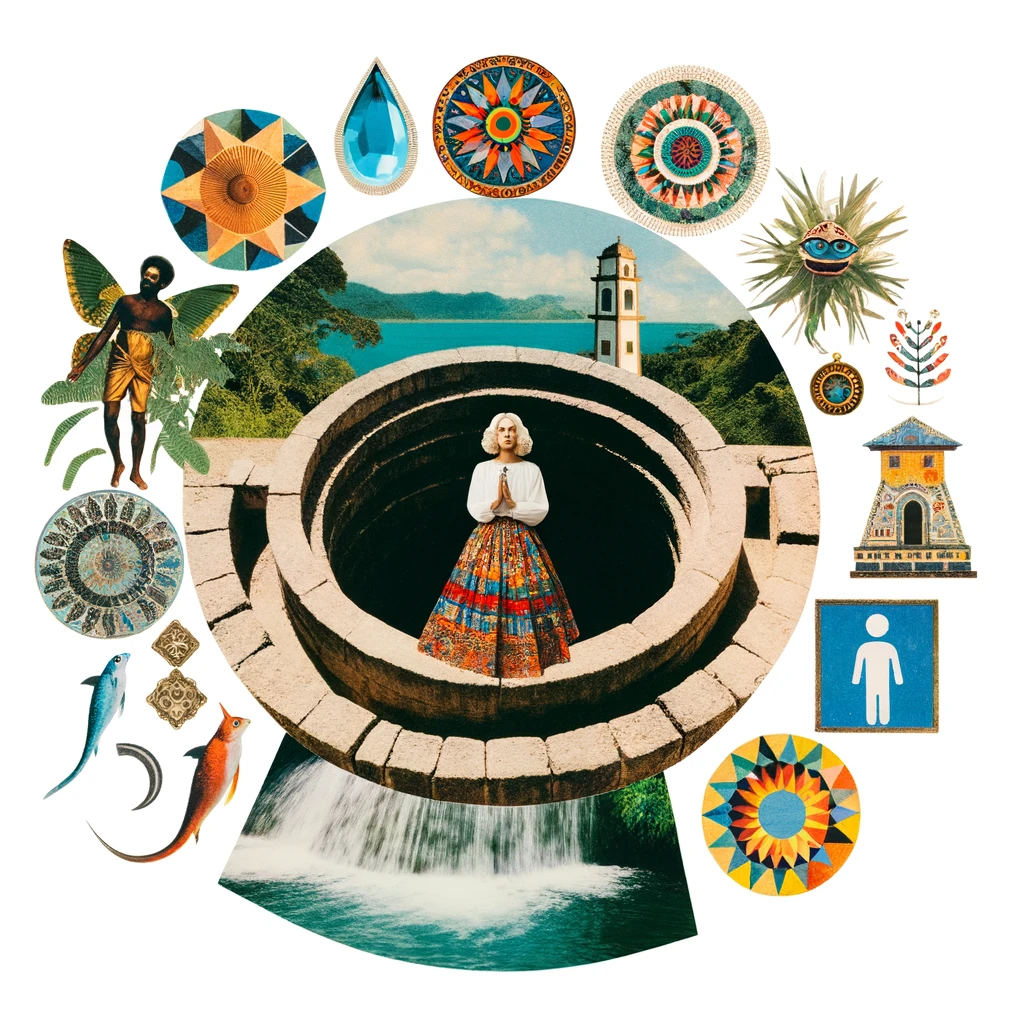
LAUNCH OF A PLAY – FUNDED BY THE PORTUGUESE GOVERNMENT 2024
“Gisberta: the cry of all of us” — a play by travestis honouring Gisberta Salce, funded by DGArtes with €25,000.
-

“My profane holy body”, by TransParadise Portugal – one of the 13 best performances in Portugal in 2022-2023
The performance by Keyla Brasil and Freda Paranhos among Portugal’s 13 best in 2022–2023.
-
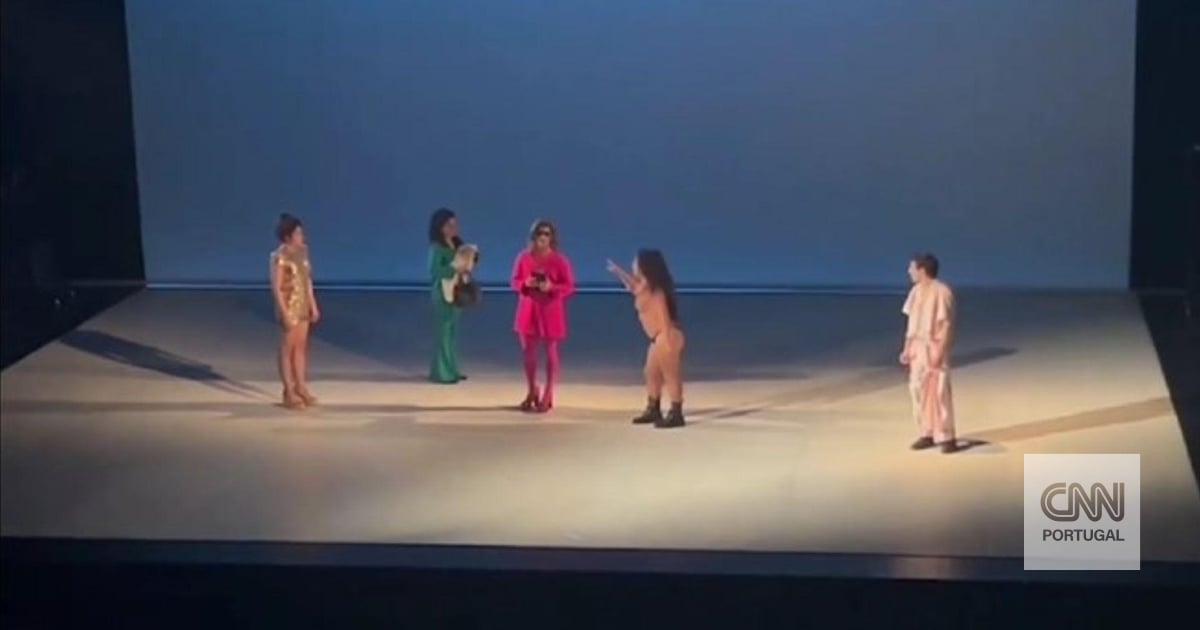
GUERRILLA – TRANSUBSTANTIATION: CASTING ANTI-COLONIAL SPELLS
Keyla Brasil’s stage protest at Teatro São Luiz against transfake casting: what the media said, political repercussions and our reflections.